carb cycling to lose weight and gain muscle Carb cycling – what is it, how to do it, what diet to plan
Carb cycling has gained significant popularity in recent years as a dietary strategy that enables individuals to optimize their weight loss and muscle gain goals. This approach involves alternating between high-carb and low-carb days to manipulate insulin levels and enhance overall body composition. If you are looking to embark on a carb cycling journey, this comprehensive guide will equip you with all the essential knowledge and practical tips to get started.
What is Carb Cycling?
Carb cycling is a nutrition strategy that involves varying your carbohydrate intake on a daily or weekly basis. This method is commonly adopted by athletes, bodybuilders, and fitness enthusiasts to maximize fat loss while preserving or even building lean muscle mass. By strategically alternating between high-carb and low-carb days, carb cycling helps optimize hormone levels and boost metabolic flexibility.
 Many people turn to carb cycling because it leverages the hormonal response triggered by carbohydrate intake. When you consume carbohydrates, your body releases insulin, a hormone essential for regulating blood sugar levels. Insulin has a profound impact on metabolism, fat storage, and muscle growth.
The Basics of Carb Cycling
The key principle of carb cycling involves strategically adjusting your carbohydrate consumption according to your activity levels and goals. This approach typically includes high-carb days, low-carb days, and occasionally no-carb days. The specific breakdown of these days may vary depending on individual needs and preferences.
On high-carb days, individuals consume a higher amount of carbohydrates to fuel intense workouts and support muscle glycogen stores. This usually involves incorporating complex carbohydrates such as whole grains, brown rice, quinoa, and sweet potatoes into meals and snacks.
During low-carb days, carbohydrate intake is deliberately restricted to encourage the body to burn stored fat for energy instead. On these days, individuals may increase their consumption of healthy fats and lean proteins to compensate for the reduced energy from carbohydrates.
 No-carb days, despite their name, typically involve consuming an extremely low amount of carbohydrates, often less than 20 grams per day. These days are usually implemented sporadically as a means of stimulating fat loss and promoting insulin sensitivity.
It is important to note that carb cycling is not a one-size-fits-all approach. The breakdown of high-carb, low-carb, and no-carb days should be individualized based on factors such as training intensity, body composition, and personal goals. Consulting with a registered dietitian or nutritionist who specializes in sports or performance nutrition can help tailor a carb cycling plan to your specific needs.
When implemented correctly, carb cycling can offer a range of potential benefits. Some of these benefits include enhanced fat loss, improved muscle definition, increased energy levels, optimized metabolism, and better overall athletic performance.
Getting Started with Carb Cycling
Before diving into carb cycling, it is crucial to identify your goals and determine the appropriate macronutrient ratios for each day. Tracking your daily intake using a mobile app or journal can help monitor your progress and make adjustments as needed.
It is essential to prioritize whole, nutrient-dense foods during both high-carb and low-carb days. This ensures that you are providing your body with the necessary vitamins, minerals, and antioxidants to support optimal health and performance.
Incorporating regular exercise into your routine is also paramount when following a carb cycling plan. High-intensity workouts are especially beneficial on high-carb days as they provide the necessary stimulus for muscle growth and glycogen replenishment.
Remember that consistency is key in any dietary approach. Give your body time to adapt to the changes before judging the effectiveness of carb cycling. Monitor your progress, adjust your macronutrient ratios, and seek guidance from a healthcare professional or a qualified nutrition specialist if needed.
Carb cycling can be a valuable tool in your fitness arsenal when used appropriately. Experiment with different approaches, discover what works best for your body, and enjoy the journey towards achieving your weight loss and muscle gain goals!
If you are searching about Pin on Healthy Food Guides you’ve came to the right web. We have 5 Pics about Pin on Healthy Food Guides like Pin on Healthy Food Guides, You could try this out shared bulking nutrition plan | Carb cycling and also Carb Cycling - The Ultimate Beginners Guide To Carb Cycling & Muscle. Here it is:
Pin On Healthy Food Guides
 www.pinterest.comcarbs weight carbohydrate calorie sample hiit gymguider losing training exercise programs zpr vegans
Carb Cycling – What Is It, How To Do It, What Diet To Plan
www.stylecraze.comcarb cycling gain loss muscle weight
You Could Try This Out Shared Bulking Nutrition Plan | Carb Cycling
 www.pinterest.comCarb Cycling - The Ultimate Beginners Guide To Carb Cycling & Muscle
www.pinterest.comacupuncture slogans trimmedandtoned
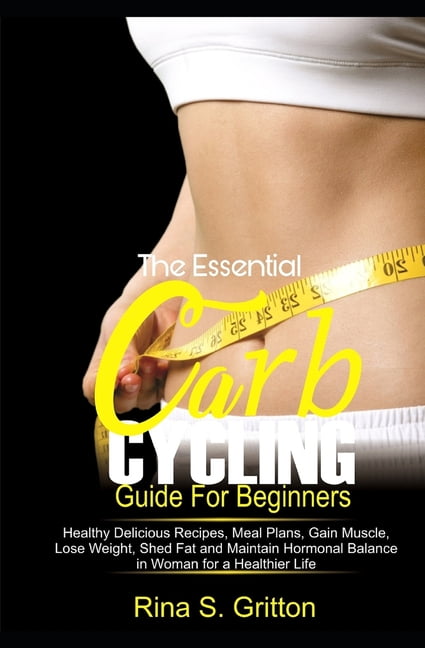
The Essential Carb Cycling Guide For Beginners: Healthy Delicious
 www.walmart.comCarb cycling – what is it, how to do it, what diet to plan. Pin on healthy food guides. You could try this out shared bulking nutrition plan